
Narcissistic Personality Disorder Explained: Understanding the Impact
- Beverly Adams
- Apr 6
- 4 min read

Living with or near someone who has narcissistic personality disorder (NPD) can feel like walking on a tightrope. You never know when the next emotional storm will hit. It’s confusing, exhausting, and sometimes downright painful. But understanding what’s really going on beneath the surface can be a game-changer. It can help you protect yourself, heal, and regain control of your life.
Let’s dive deep into narcissistic personality disorder explained and explore how it affects not just the person with NPD but everyone around them. I’ll share insights, examples, and practical advice to help you navigate this challenging terrain.
What Is Narcissistic Personality Disorder? Narcissistic Personality Disorder Explained
Narcissistic Personality Disorder is more than just someone being self-centered or vain. It’s a complex mental health condition characterized by an inflated sense of self-importance, a deep need for admiration, and a lack of empathy for others. People with NPD often appear confident, charming, and successful on the outside. But inside, they struggle with fragile self-esteem and intense insecurity.
You might wonder, how can someone be so full of themselves yet so vulnerable? That’s the paradox of NPD. They build a grandiose self-image to protect themselves from feelings of shame and worthlessness.
Here are some common traits you might notice:
Constant need for praise and validation
Exploiting others to achieve their own goals
Difficulty recognizing or caring about other people’s feelings
Envy of others or belief that others envy them
Arrogant or haughty behaviors and attitudes
If you’ve been in a relationship with someone like this, you know how draining it can be. Their need to control and dominate can leave you feeling invisible, confused, and doubting your own reality.

What Is the Root Cause of Narcissism?
Understanding the root cause of narcissism is crucial if you want to make sense of the behavior and protect yourself emotionally. Narcissistic traits don’t just appear out of nowhere. They often develop as a defense mechanism during childhood.
Many experts believe that early experiences of neglect, abuse, or excessive pampering can contribute to the development of NPD. When a child’s emotional needs aren’t met, they may create a false self to survive. This false self is grandiose, invulnerable, and demands attention to mask deep feelings of insecurity and pain.
Think about it like this: a child who never felt truly seen or valued might grow up trying to prove their worth through external achievements and admiration. Or a child who was overly praised without boundaries might develop an unrealistic sense of entitlement.
This doesn’t excuse the harmful behavior, but it does explain why it happens. It’s a cry for help wrapped in a tough exterior.
The Emotional Toll: How Narcissistic Personality Disorder Affects You
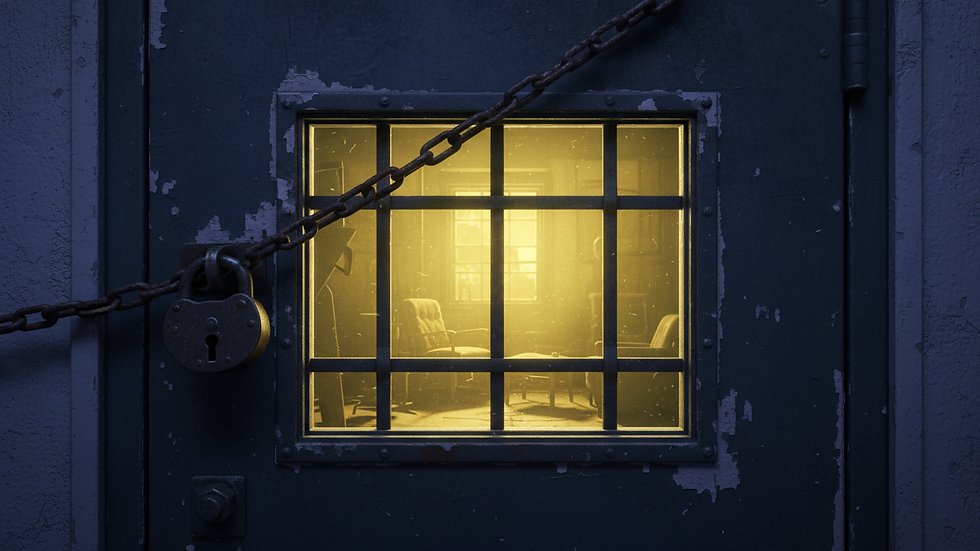
Living with or loving someone with NPD can feel like emotional whiplash. One moment, they might shower you with charm and attention. The next, they could be cold, critical, or downright cruel. This push-pull dynamic keeps you off balance and constantly questioning yourself.
Here’s what you might experience:
Gaslighting: They twist facts and make you doubt your memory or feelings.
Silent treatment: Punishing you by withdrawing affection or communication.
Blame-shifting: Never taking responsibility and always making you the problem.
Emotional manipulation: Using guilt, fear, or pity to control you.
Isolation: Cutting you off from friends and family to increase dependence.
This kind of abuse is subtle but devastating. It erodes your self-esteem and leaves you feeling trapped. You might ask yourself, Am I overreacting? Is it really that bad? The answer is yes, it is bad, and your feelings are valid.
Recognizing these patterns is the first step toward reclaiming your power.
Practical Steps to Protect Yourself and Heal
You don’t have to stay stuck in this cycle. There are ways to protect your emotional well-being and start healing. Here’s what you can do:
Set firm boundaries. Decide what behavior you will and won’t accept. Communicate these boundaries clearly and stick to them.
Limit contact if possible. If you can, reduce the time you spend with the narcissist. This helps you regain emotional space.
Seek support. Talk to trusted friends, family, or a therapist who understands narcissistic abuse.
Educate yourself. The more you know about NPD, the less power it has over you. Resources like understanding narcissistic personality disorder can be invaluable.
Practice self-care. Prioritize activities that nurture your mind, body, and spirit. Exercise, meditation, hobbies, and rest are essential.
Trust your feelings. Your emotions are your compass. Don’t let anyone tell you that your pain isn’t real.
Remember, healing is a journey. It’s okay to take it one day at a time.
Finding Strength and Empowerment After Narcissistic Abuse
Recovering from narcissistic abuse is tough, but it’s also a powerful opportunity for growth. You can rebuild your sense of self and create a life filled with respect, love, and authenticity.
Here are some empowering steps to consider:
Reconnect with yourself. Rediscover your passions, values, and dreams.
Build a support network. Surround yourself with people who uplift and validate you.
Practice forgiveness. Not for the narcissist, but for your own peace of mind.
Develop new coping skills. Learn healthy ways to manage stress and triggers.
Celebrate your progress. Every step forward is a victory.
You are not alone. Many have walked this path and come out stronger. Your story matters, and your healing is possible.
Moving Forward with Hope and Clarity
Understanding the impact of narcissistic personality disorder is the first step toward reclaiming your life. It’s painful, yes, but also liberating. You can break free from the cycle of abuse and find peace.
If you’re ready to take that step, remember this: you deserve respect, kindness, and genuine connection. Don’t settle for less. Reach out, learn, and grow. Your future is waiting.
You have the strength inside you. Now it’s time to use it.
Comments